Friday, August 21, 2020

Tomato Profile: Ananas Noir aka Black Pineapple

 Ananas Noir is a beefsteak tomato developed by Belgian horticulturist, Pascal Moreau. This indeterminate plant boasts fruits up to 1 1/2 pounds.  Smooth-skinned and bursting with black, brown, green, red, orange, and pink hues. The flesh is sweet and meaty.  I found this gem at a local hardware store in Woodinville. Since the fruits are so heavy, a good tomato cage is essential. This plant grew to 4 feet tall. 


Fruits often weigh close to 1 pound or more.


This tomato was the first one ripe out of the 5 beefsteak varieties I am growing.


It does matter what light Ananas Noir is exposed to.  The stained-glass quality of the flesh is unsurpassed. 


This tomato is so refreshing, and tasty it is best eaten fresh. 
 

I used the tomato in a spicy Vietnamese noodle bowl for dinner. 


Tomato Profile: Stupice

 This is a tomato with many pronunciations.  I have heard it pronounced, "stu-peach-ka", "stu-pea-chay", and "stu-peach".  It is an indeterminate, potato leaf tomato that produces 3-6 ounce roundish, salad-sized, mini-slicers.  This tomato is a very early producer, 55 days, and it can withstand cold if protected in the fall. 

This Czechoslovakian tomato was bred by Milan Sodomka and introduced to the United States around 1976. All in all, very easy to grow but not the most astounding tasting tomato out there.  Many have compared it to supermarket tomatoes.  I find the taste to be like that of a classic greenhouse-grown, salad tomato.  Having maligned its flavor, I will say having an early ripening tomato is totally worth it.

 
The tomato ripens from a pale orange to a nice red. They are perfect for snacking in hand like a small apple.  A trick to increasing their flavor is to withhold water at least 1-2 days before you pick them. 


Tuesday, August 18, 2020

Tomato Profile: Sun Gold Cherry Tomato

 Sun Gold is a very popular cherry tomato and for good reason.  The very productive plants need lots of room as they produce fruits from multiple stems.  This indeterminate plant will continue producing until close to frost. The fruits are borne on abundant clusters and one plant supplies our family of 4 with 4-6 ounces of fruit every 2 days! We love theses tomatoes for fresh eating in salads or for pop-in-your-mouth snacking.  

This cluster of tomatoes holds 25+ cherry tomatoes!  We have over 15 clusters on one plant.

Sun Gold ripen from green to gold but are fully ripe when they turn a vibrant apricot.  Sweet, juicy, and delicious this variety is a family staple. 

Saturday, August 15, 2020

Tomato Profile: Brad's Atomic Grape

Brad's Atomic Grape Tomato is a genuinely amazing looking grape tomato.  Some call it downright "ugly" while others think it is a "technicolor marvel." This thicker-skinned tomato is an indeterminate and grows vigorously on sturdy clusters.  Proper staking or caging is necessary to support this productive vine.

Bred by Brad Gates of Wild Boar Farms in California, this tomato is a top seller.


The fruits are striped, speckled, and have a full range of colors, from yellow, orange, to black, purple, and olive when ripe.  It is not easy to tell when the fruit are ripe.  I give them a gentle squeeze and pick them when they yield to gentle pressure.


Due to its thicker skin, this tomato transports well.  The flavor is fresh, bright, and delicious. I would say it has an old-fashioned tomato taste with a bit of added sweetness. 


 This size of these fruits ranges from plum-sized to a small grape.  They are oblong and perfect for snacking or fresh eating in salads.  I have yet to cook them as they don't make it into the pot.


The popularity of this tomato is unparalleled!  Get your seed early as it is sure to sell out. Luckily, I received this tomato start as a gift from a fellow gardener, Jane B. My eyes lit up as I had heard about this tomato but could not find the start at my local nursery.

Tuesday, August 4, 2020

Fall Crops/Ornamentals

In the PNW, we have two shorter and cooler growing seasons, spring and fall. While spring crops mature, it is time to think about a second round of cool weather crops for fall cultivating.

There is an abundance of crops and ornamentals to be planted this fall, as the summer heat dissipates. Perennial vegetables and herbs can be transplanted at the end of August, and examples are asparagus and horseradish. Perennial herbs such as sage, thyme, oregano, rosemary, chives, do well when planted in the fall. This is also a great time to plant perennial flowers and bulbs.  (Follow bulb planting directions.)


Another option if you want a fall crop is to plant short season, quick maturing crops such as lettuce, arugula, mache, radishes, baby kale, and spinach.  In some cases, your crops may overwinter if we have a mild winter.  Some crops are not bothered by snow cover and will greet you next spring. (This is my kale crop from two years ago.)


The key to determining if you can get a short season crop is to pay close attention to your seed catalog and seed packet.  According to this seed packet for spinach, it can be planted while the soil temperature is 45-75 degrees Fahrenheit and it takes 6-21 days to mature.  The crop matures in 45 days.  If we count backward from when we get our first frost (around the first week of November), we need to count backward 45+ 14 (an average germination time) days. 45+14 = 59 days and 59 days from November 1st is roughly September 1st. So, September first is the latest you should sow your seeds before the November frost.

Territorial Seed has a fall and winter catalog.  I like this company because they test their seeds and crops right here in the Pacific Northwest; also their catalog provides a wealth of gardening information. 

Common cool-season vegetables: asparagus, beets, broccoli, Brussels sprouts, chives, cabbage, carrots, cauliflower, Swiss card, kale, leek, lettuce, onion, parsnips, peas, bok-choy, mizuna, mustard greens, chicory, radishes, spinach, fava beans, orach, sorrel, and turnips. 

Keep in mind the water shuts off mid-October.  We hope you try a fall garden this year!


Friday, July 24, 2020

Our Hopelink Connection

     Summer seems to have arrived. Local temperatures hit almost 80 degrees Fahrenheit last week. With the governer's office tightening some social restrictions, we are lucky to have such a free and open space to garden. My nightly walks at the garden are a godsend to the stress of daily life. It is a time to really "smell the roses," take photos, help others, work my plots, and pick produce to donate.

     
     Our friend's at Hopelink, rely on our fresh, organic produce. Our food banks produce much of this food, but Hopelink's customers crave variety! They enjoy herbs, berries, and flowers. If you have extra to donate, they would appreciate it. During these tough and uncertain times, helping others with a donation of food helps immeasurably.


Sunday, May 31, 2020

Pesky Pests at MCGA


Gardening is one of the most rewarding hobbies you can do, with long-lasting positive effects on yourself, your community, and the environment.  Gardening also brings you a lot closer to the creatures you're sharing your garden with! Many gardeners build their gardens around what wildlife they want to attract.

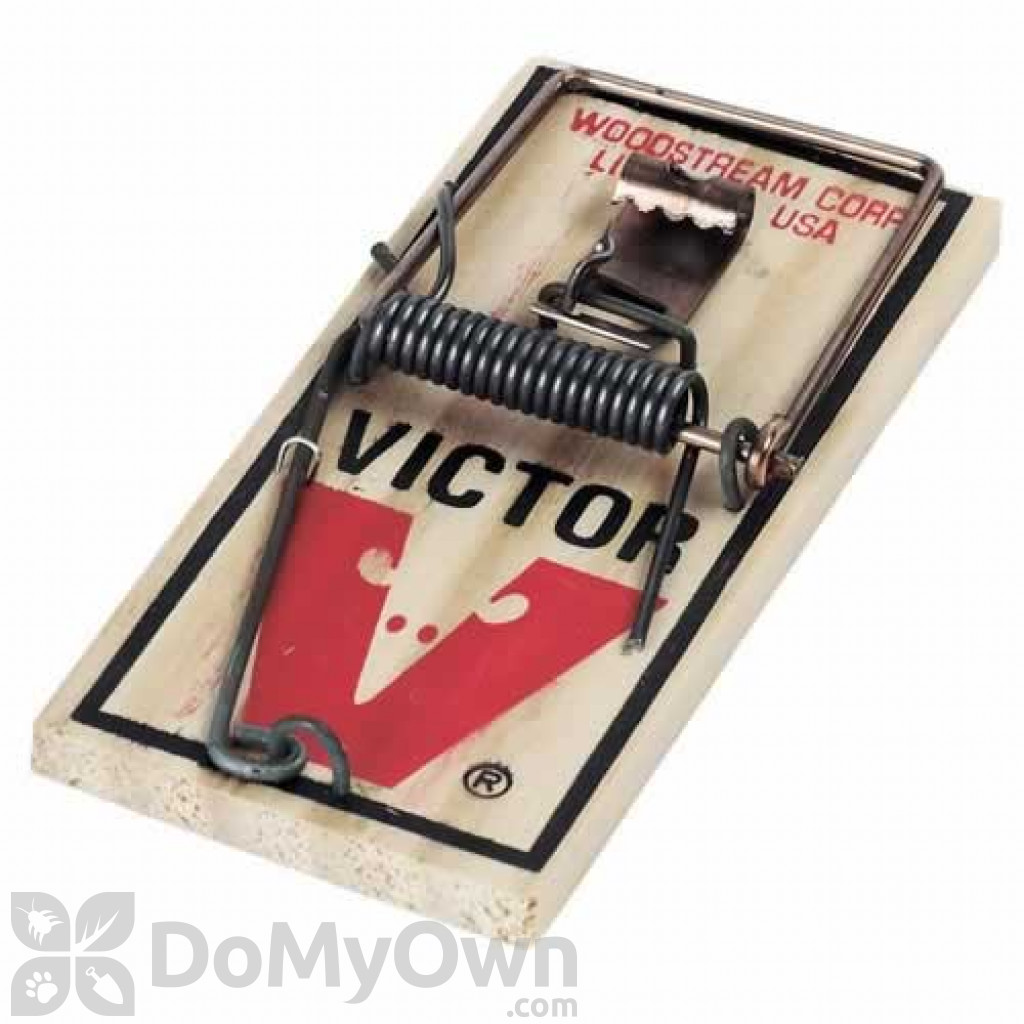
At times, the animals that visit your garden may be pests that eat your seedlings, chew up / damage your starts, or even just walk all over your garden, leaving their hoofprints as a calling card. There are rabbits, voles, deer, and more. However, we also have beneficial mammals that make our garden home. Did you know we have a weasel that lives in our garden?  It is a carnivore that eats many pests, such as voles. Keep an eye out for it, it is lightning fast. For this reason, we do not allow rodent traps of any kind. 

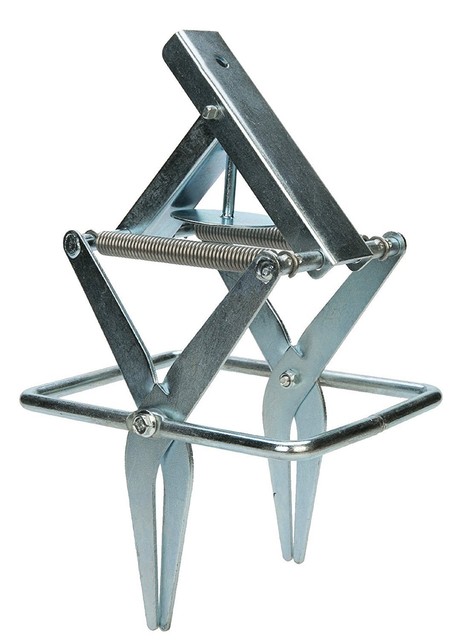
Scissor Type Mole Eliminator Gopher Elimination Trap Reusable Free From Digging

Our garden is an organic one.  We do not use synthetic pesticides or fertilizers.
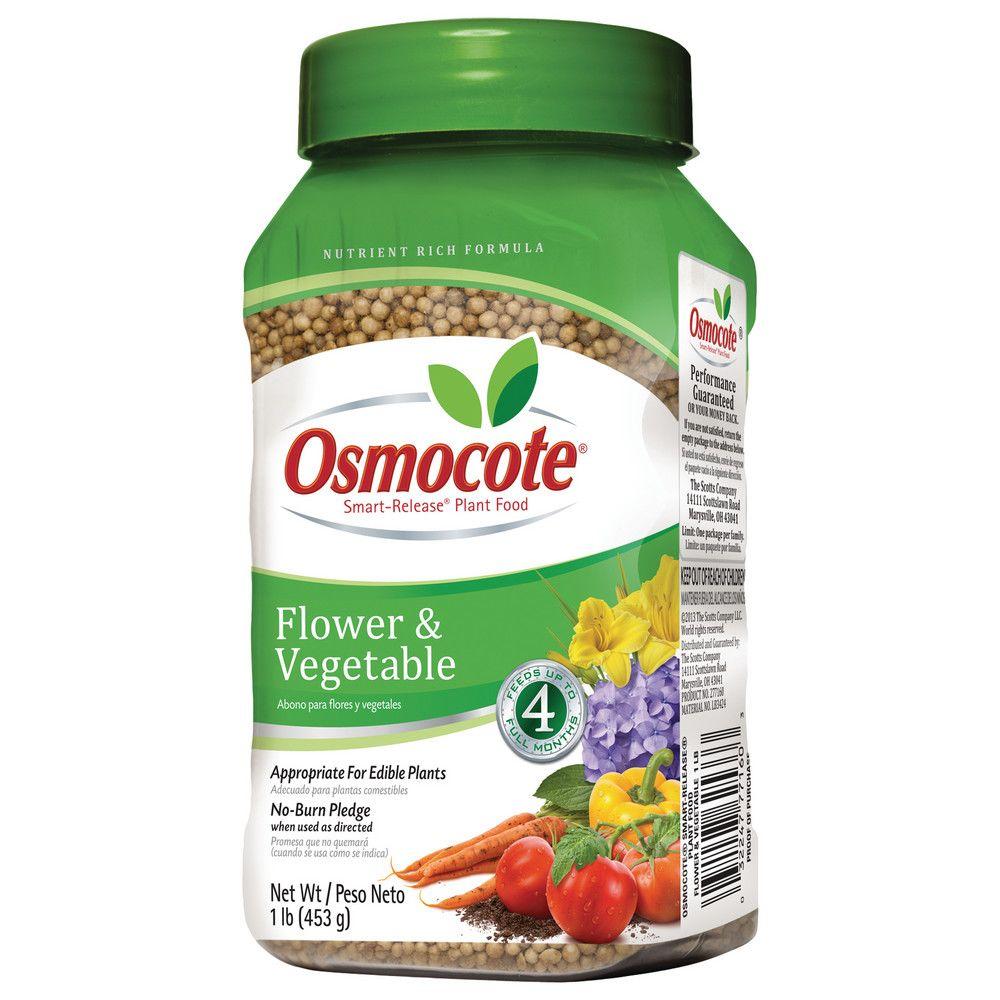
These synthetic fertilizers and pesticides are not permitted.  

These products are not permitted:


Here is a shortlist of approved pesticides:  Safer insecticidal soap, neem oil, and Sluggo.  You may use products labeled with OMRI, which are designed for organic gardening.  Remember, even natural pesticides may harm beneficial insects so read the label carefully.  Email us anytime with questions or help with pest ID.